Concept build
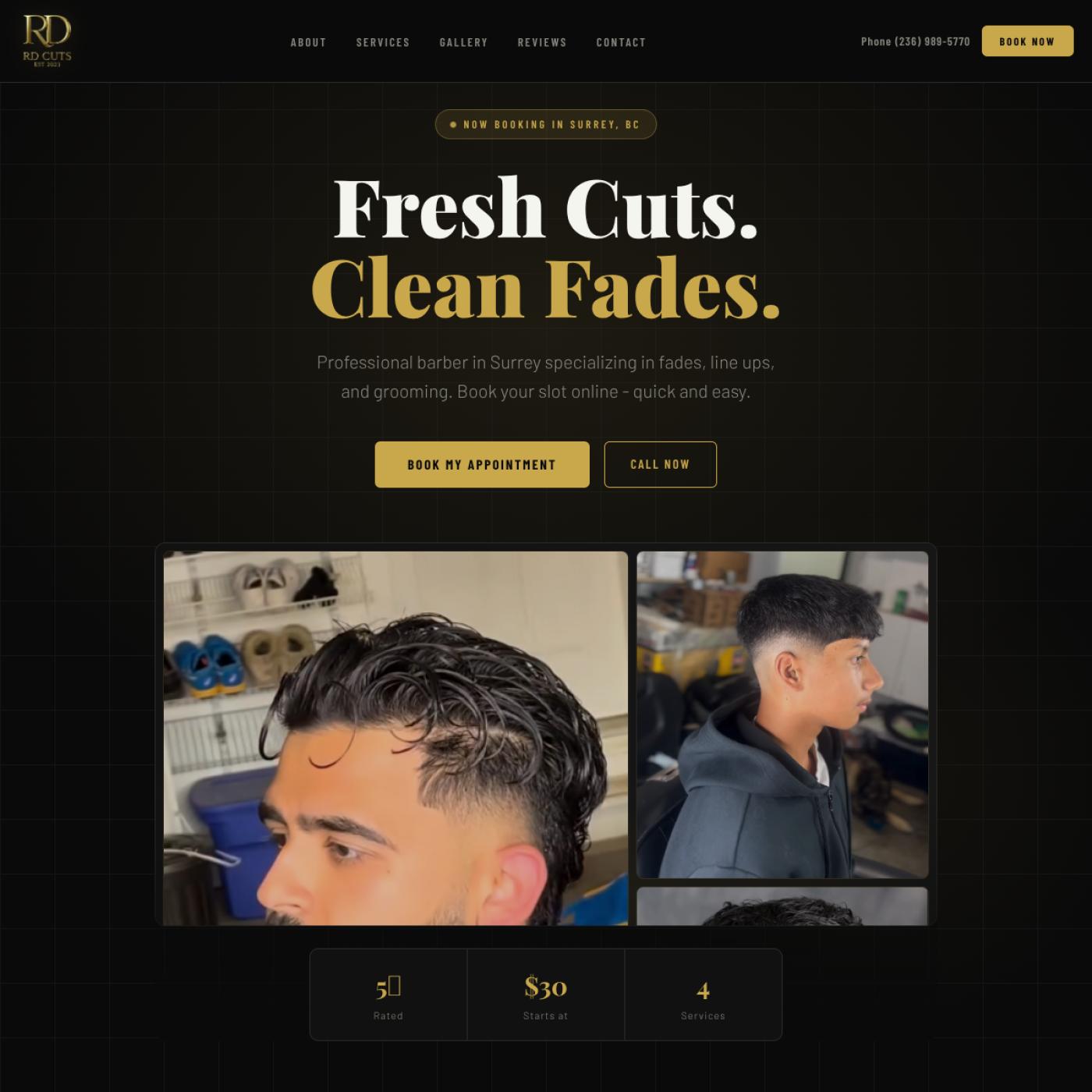
RD Cutz
Barber and appointment booking concept built around cleaner service selection, reminders, and no-show reduction.
Open breakdown pageThese are framed as concept builds, redesign studies, and business system breakdowns. They are here to teach what stronger booking, quote, catalog, and estimate flows can look like.
Choose a build
These are not written as client results. They show how different business websites can capture better details, route leads faster, and make follow-up less messy.
Barber and appointment booking concept built around cleaner service selection, reminders, and no-show reduction.
Open breakdown page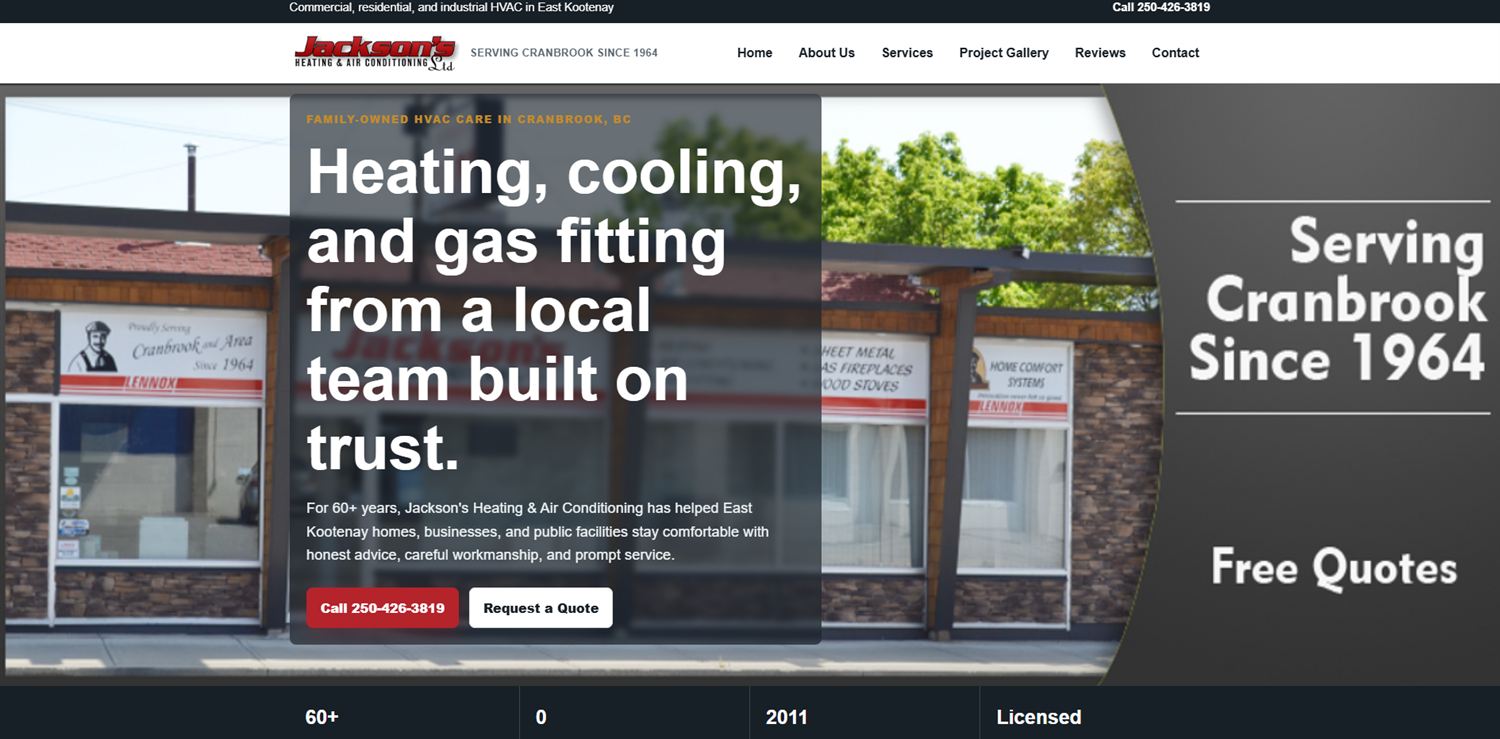
Local service quote funnel study focused on urgency, trust, intake questions, and fast owner response.
Open breakdown page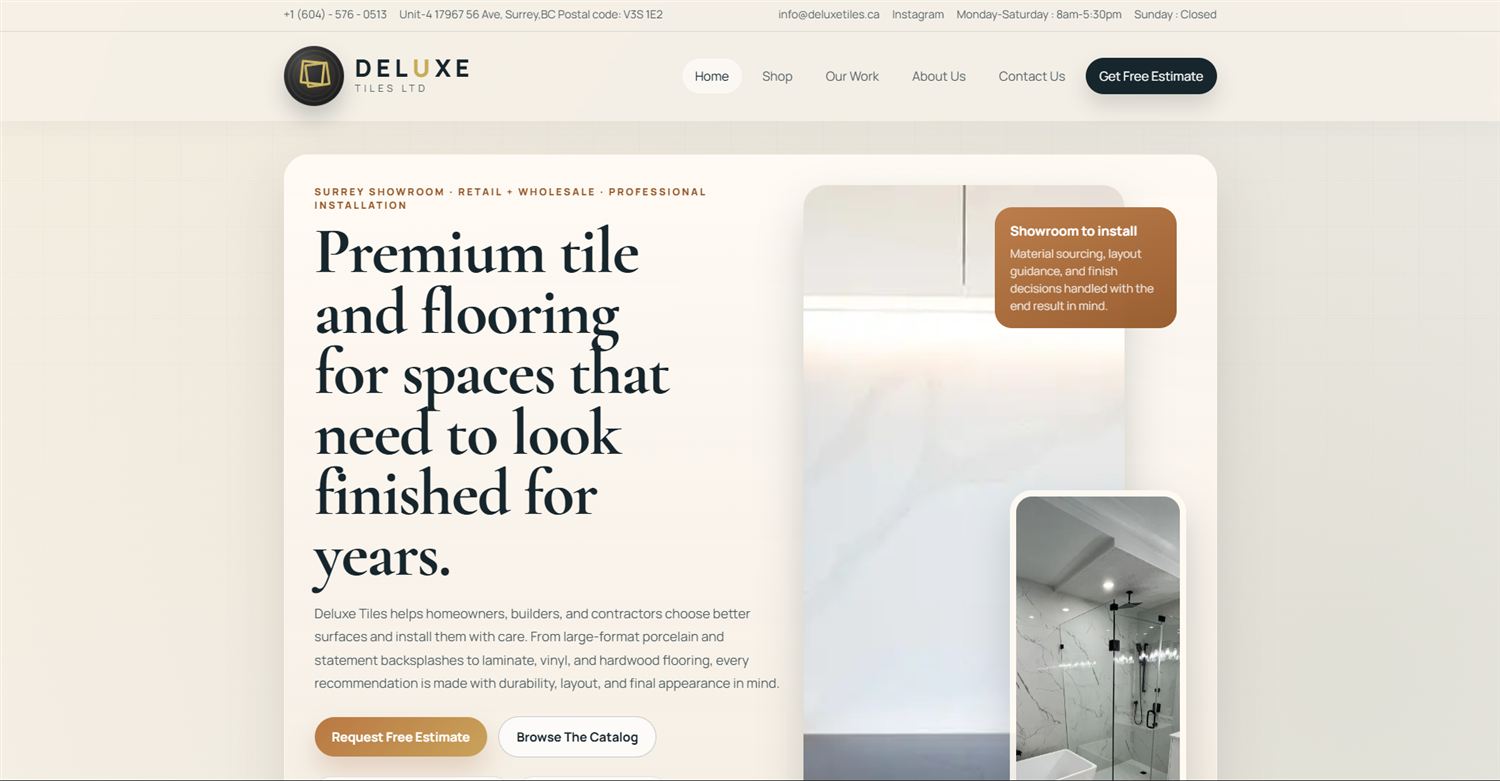
Tile showroom and catalog concept for product discovery, project details, samples, and estimate prep.
Open breakdown pageRD Cutz breakdown
For a service business like a barber, the website is not only there to look clean. It needs to answer what services are available, help the visitor choose the right appointment, collect contact details, and make sure the booking does not disappear into DMs.
People might come from Instagram, search, referrals, or word of mouth. Without a clear booking flow, they ask questions in random places and the owner has to chase every conversation manually.
The concept centers the service menu, appointment path, contact details, and booking flow so visitors know exactly how to move forward.
AI can read the appointment request, tag the service, highlight special notes, and give the owner a short summary before confirming.
Confirmations, reminders, reschedule links, and follow-up messages keep the appointment visible after the lead books.
The system is designed to turn scattered attention into trackable bookings, cleaner confirmations, and fewer missed client conversations.
The site helps them pick haircut, beard, lineup, or full service instead of sending a vague message.
Name, phone, preferred time, service, and notes become a clean lead record instead of loose text in an inbox.
The owner sees what the client wants, how urgent it is, and what needs confirmation.
Every appointment can be marked new, confirmed, rescheduled, completed, or follow-up needed.
Jackson's Heating breakdown
For heating, cooling, and home service businesses, visitors are often stressed. They need to know if the company handles their issue, whether they can trust it, and how fast somebody can reply.
An emergency repair, replacement quote, maintenance request, and general question should not all land in the same messy bucket.
The concept separates emergency calls, repair requests, replacement quotes, maintenance, and general questions so each lead starts in the right path.
AI can classify the issue, summarize the equipment/problem, and flag whether it sounds urgent, quote-ready, or follow-up only.
The owner or team can get a clean alert with service type, address area, contact info, and next step.
The system is designed to reduce missed service calls, route urgent leads faster, and keep quote opportunities visible until they are closed.
Repair, install, maintenance, quote, or emergency starts the lead in the right direction.
Location, system type, issue description, preferred timing, and photos can give the business a better starting point.
The request becomes a short brief with urgency, category, missing details, and recommended next action.
The CRM can show new request, contacted, quote sent, booked, won, lost, or follow-up needed.
Deluxe Tiles breakdown
Tile buyers usually need help narrowing choices. A stronger showroom site should make categories easy to scan, collect room/project details, and help the business prepare a useful quote instead of starting from zero.
People look through styles, sizes, colors, and finishes, but the business still needs room type, square footage, budget, and timeline before it can help.
The concept organizes product categories, room use cases, inspiration, sample requests, and project inquiry steps so browsing can turn into a real estimate conversation.
AI can summarize the buyer's room, style preferences, quantity estimate, and questions for the sales team.
The request can enter a CRM with product interest, measurements, sample status, visit request, and quote stage.
The system is designed to help buyers move from loose inspiration to useful project details, sample requests, showroom visits, and trackable quote follow-up.
The catalog supports quick scanning across bathroom, kitchen, floor, wall, modern, stone, and luxury-style options.
The site asks for room type, approximate size, preferred look, budget range, timeline, and whether samples or a visit are needed.
The team receives a clear brief instead of a loose message like "I need tiles."
Each request can move through sample requested, showroom visit, estimate sent, follow-up, won, or lost.
What these teach
The point is not to copy one design everywhere. The point is to build around the action the business actually needs: booked appointments, quote requests, product inquiries, follow-up, and tracked revenue movement.
Every page should collect the details needed to understand the lead, not just a name and phone number.
AI should turn messy form answers and messages into a short, useful business brief.
Alerts, reminders, confirmations, and stage updates keep work moving after the visitor clicks submit.
The system should show what came in, what happened next, and which leads still need attention.